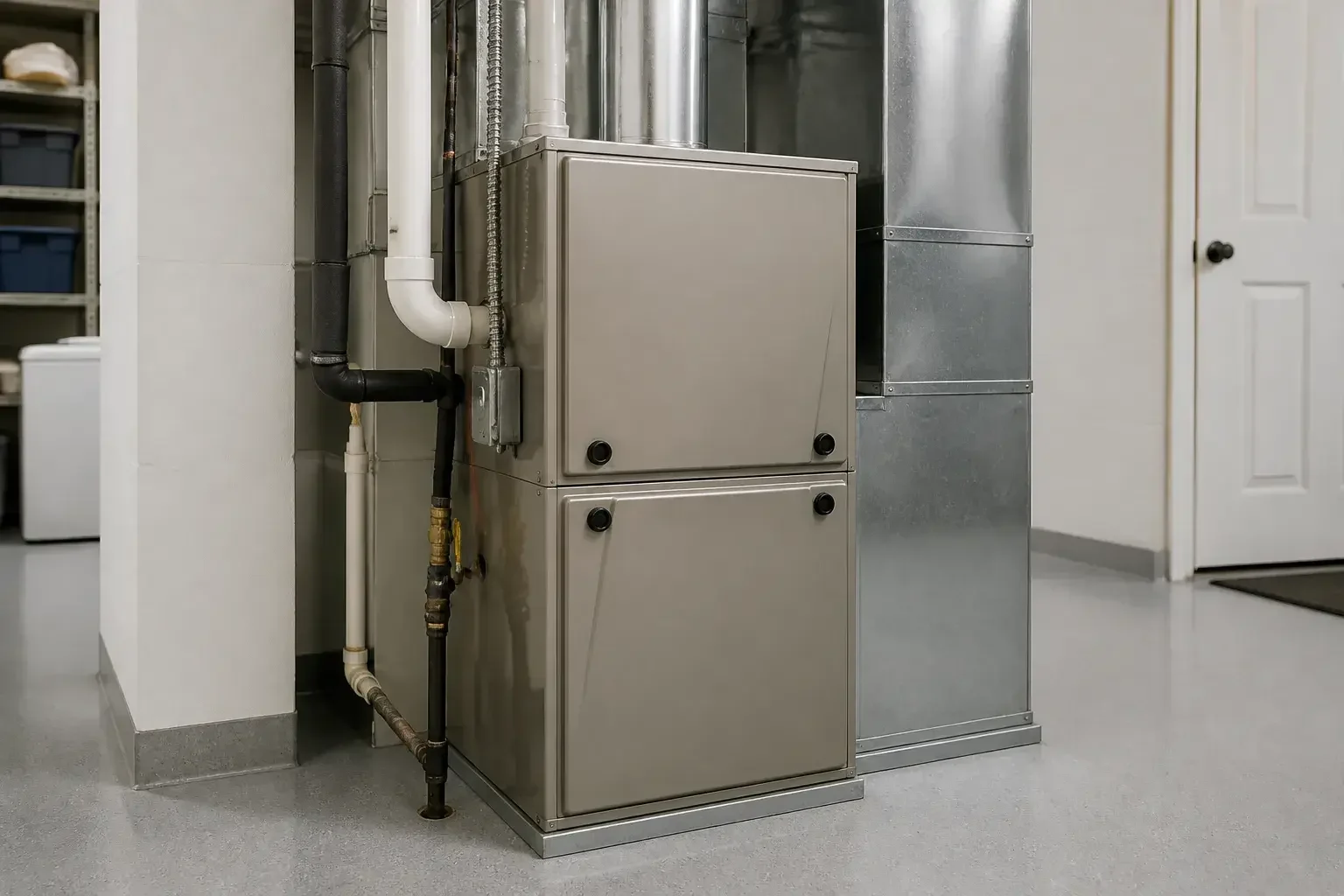
Furnace Repair in Longmont, CO
A noisy or unreliable furnace can leave your home cold when temperatures drop.
If your furnace is running but the house still feels cold, something is not working the way it should. You may notice uneven rooms, short cycling, a burning smell that hangs around too long, or a system that starts and stops without really heating the space.
Pine Hollow HVAC helps homeowners get to the bottom of those problems with furnace repair that focuses on the actual cause, not just the symptom. If your heating system is acting up in Longmont, we can diagnose the issue, explain what is going on in plain language, and get your furnace working again with repair work that fits the problem.
Warning signs
Some furnace problems show up all at once, while others build slowly. Paying attention early can help you avoid a breakdown when you need heat the most.
- Weak airflow: If warm air barely reaches the vents, the furnace may be struggling with a blower issue, blocked airflow, or another internal problem.
- Uneven heat: Rooms that are warm in one part of the house and cold in another can point to a furnace that is not distributing air properly.
- Odd noises: Banging, rattling, squealing, or scraping sounds usually mean a part is loose, worn, or failing.
- Short cycling: A furnace that turns on and off too quickly is often reacting to a safety issue, airflow restriction, or sensor problem.
- Unusual smells: A strong burning smell, musty odor, or gas-like smell should never be ignored.
- Rising frustration: If you keep adjusting the thermostat and nothing changes, the furnace may not be responding the way it should.
What can fail
A furnace has several parts that need to work together. When one piece starts failing, the whole system can feel unreliable.
- Ignition problems: If the furnace has trouble lighting, it may not heat consistently or may fail to start at all.
- Blower issues: A worn blower motor or related component can reduce airflow and leave the home feeling drafty even when the furnace is on.
- Control concerns: Thermostat communication, switches, and internal controls can cause the system to behave unpredictably.
- Airflow restrictions: Dirty filters, blocked returns, or other airflow problems can strain the furnace and make heating uneven.
- Wear over time: Parts naturally wear down with use, and older components may begin to fail more often or work less efficiently.
When we inspect a furnace, we look for the real source of the problem instead of guessing based on one symptom. That helps keep the repair focused and practical.
How we diagnose it
When Pine Hollow HVAC arrives to look at a furnace, the goal is simple: find out what is causing the heating issue and what repair makes sense.
What we check
- Startup sequence: We look at how the furnace begins a heating cycle and whether it follows the correct steps.
- Air movement: We check whether the system is moving air the way it should and whether airflow is being restricted.
- Sound and behavior: We listen for noises and watch how the furnace responds during operation.
- Visible wear: We inspect accessible components for signs of stress, looseness, or damage.
- Heating performance: We confirm whether the furnace is delivering steady heat or falling short in certain areas.
What we explain
We do not leave homeowners guessing. If the issue is small, we say so. If the furnace has a larger problem, we explain what that means for your home and your next step. The aim is to give you clear information so you can decide how to move forward with confidence.
Repair options
Not every furnace issue calls for the same fix. The right repair depends on what failed and how far the problem has progressed.
- Part replacement: If a specific component has worn out or stopped working, replacing that part can restore normal operation.
- Connection repair: Loose or damaged wiring and connections can cause the furnace to behave erratically, and correcting them may solve the issue.
- Airflow correction: If the furnace is overheating or short cycling because air cannot move freely, addressing the restriction can make a major difference.
- Control adjustment: When the problem comes from a sensor, switch, or thermostat-related issue, the repair may involve recalibrating or correcting the control side of the system.
Sometimes the furnace has one clear failure. Other times, the issue is a mix of smaller problems that have built up. We handle both with the same goal in mind: get the heat back on track without turning the job into something bigger than it needs to be.
Before we arrive
A little information helps us move faster once we get to your home. You do not need to troubleshoot the furnace yourself, but a few details can be useful.
- When it started: Notice whether the problem began suddenly or gradually over time.
- What changed: If the furnace started making noise, blowing cooler air, or cycling more often, that detail matters.
- Thermostat setting: Check whether the thermostat is set to heat and whether the temperature setting matches what you expect.
- Filter condition: A very dirty filter can affect airflow and may be worth mentioning.
- Pattern of the issue: Tell us whether the problem happens all the time or only at certain times of day.
If the furnace shuts down, smells unusual, or keeps trying to start without heating, leave it alone and let the system be inspected. Repeated attempts to force it to run can add stress to already failing parts.
Keeping heat steady
Once the repair is done, a few habits can help the furnace run more smoothly between service visits.
- Change filters regularly: A clogged filter makes it harder for air to move through the system and can contribute to overheating or weak airflow.
- Keep vents open: Closed or blocked supply vents can create unnecessary strain and uneven heating.
- Listen for changes: New noises or changes in the furnace cycle are often an early clue that something is starting to fail.
- Watch for repeated resets: If you keep resetting the furnace or thermostat to get heat back, something needs attention.
- Schedule related service when needed: If your heating problem is tied to airflow or duct buildup, duct cleaning may be worth considering as part of the larger solution.
Good furnace care is not about constant tinkering. It is about catching problems early enough that a repair stays manageable.
Service area
Pine Hollow HVAC provides furnace repair for homes in Longmont and nearby communities throughout Boulder County, including Boulder, Niwot, and Firestone. If your furnace is showing signs of trouble, we can help you get a clearer answer and a workable repair plan.
Whether the issue is a noisy startup, weak heat, or a system that will not stay on, we focus on restoring dependable indoor comfort without unnecessary complications.
Common questions
Why does my furnace keep turning off and back on?
Short cycling can happen when the furnace is overheating, sensing a control issue, or struggling with airflow. It is a sign that the system needs attention.
What does a banging noise usually mean?
A banging sound can come from delayed ignition, loose parts, or duct movement. It should be checked before the problem worsens.
Why is the air from my vents not very warm?
Weak heat may point to an ignition issue, a blower problem, a dirty filter, or another issue affecting how the furnace heats and moves air.
Can a dirty filter cause furnace trouble?
Yes. A clogged filter can reduce airflow, make the furnace work harder, and contribute to overheating or uneven heating.
Why does my furnace smell strange when it starts?
A brief dusty smell can happen after the furnace sits unused, but strong, ongoing, or unusual odors should be checked right away.
What if the furnace works in one room but not another?
That can point to airflow imbalance, duct issues, or a furnace that is not distributing heat evenly through the home.
If your furnace is not keeping up, Pine Hollow HVAC is ready to help with furnace repair that gets to the cause and gives you clear next steps.
How We Work
A Clear HVAC Process
Every job starts with a look at the system and a simple conversation about what needs attention.
Check the System
We review the equipment and symptoms to find the source of the problem.
Explain the Best Option
You learn what we found and which repair or replacement makes sense.
Complete the Work
We handle the project carefully and leave the space in good shape.
FAQ
Common HVAC Questions
If you have a question about your heating or cooling system, send us a message and we will help you sort through it.
How do I know if my furnace needs repair or replacement?
A system check is the best place to start. We can help you understand whether repair or replacement makes more sense.
When should I schedule AC installation?
It is best to plan ahead before summer heat arrives. That gives you time to choose the right system and schedule the work.
Are heat pumps a good fit for Longmont homes?
Heat pumps can be a strong option for many homes, depending on the space and comfort goals. We can help you determine if one fits your needs.
What does duct cleaning help with?
Duct cleaning can help reduce dust and debris moving through your home. It is often useful when airflow or indoor air quality feels off.
Do you work in areas outside Longmont?
Yes, we serve nearby Boulder County communities including Boulder, Niwot, and Firestone. Reach out to see if we cover your neighborhood.
Get started
Ready for Better Home Comfort?
Tell us what your furnace, AC, or ductwork is doing, and we will help you find the right next step.